
MAPS: Bringing Emerging Psychedelic Science into Public Conversation
Category:
Civic Innovation
Read time:
3 min
Written by: Jessica Grace
When I worked with the Multidisciplinary Association for Psychedelic Studies in 2010 and 2011, psychedelic research was only beginning to re-enter mainstream scientific, medical, and public discussion. The subject carried decades of political and cultural baggage. Serious research was happening, but outside specialist and activist communities, many people had no clear way to understand it.
That made the public-education challenge unusually complex. MAPS was working to support scientific research and help create the medical, legal, and cultural conditions in which people might benefit from the careful use of psychedelics and marijuana. But before a broader audience could engage with that work, the conversation itself had to change. Research needed to be presented credibly and responsibly while remaining accessible to people encountering these ideas for the first time.
As MAPS’s North American Events Coordinator, I helped turn that emerging body of science and advocacy into experiences people could enter. I produced multi-city programming across the United States and Canada, handling event production, promotion, ticket sales, partnership development, and on-site logistics. The work was part operations and part translation: bringing the right people, information, and setting together so that difficult material could become a meaningful public conversation.
I also developed a broader festival strategy. Instead of waiting for people to find MAPS or attend a specialist conference, we could bring education into places where large and culturally varied audiences were already gathering. My career record from this period connects that work with festivals and events including Lightning in a Bottle, Symbiosis, Coachella, Burning Man, Outside Lands, Oregon Country Fair, BottleRock Napa, and High Sierra.
These environments created a different kind of entry point. People could encounter credible information about psychedelic research, therapeutic applications, harm reduction, drug policy, and related science within cultural settings they already knew. The goal was not to reduce the seriousness of the work. It was to make the first step into the subject feel familiar and to replace reflexive stigma with enough context for curiosity and informed discussion.
My role sat at the meeting point of science, culture, advocacy, and live experience. I was not conducting the research. I was helping the research travel beyond the lab and into the culture by building events and partnerships that could carry specialist knowledge into a much wider public conversation.
One important outcome of the festival strategy was the development of an experiential public-education partnership with Dr. Bronner’s Soaps. The company’s established commitments to drug-policy reform and psychedelic research made the relationship a natural fit. My contribution was specifically to develop the event and experiential dimension of that partnership; the broader institutional relationship and its later growth were the work of many people over time.
This experience showed me that new ideas do not move into public life through information alone. People need language they can understand, contexts they trust, and opportunities to engage without feeling that they must already be experts. Events can create that bridge. They can turn an abstract or stigmatized subject into a human encounter with evidence, questions, and other people willing to explore them.
At MAPS, my work was to help build that bridge. By taking education beyond specialist spaces and into public cultural settings, I helped more people encounter psychedelic science as a serious field of research and discussion. It was an early lesson in a theme that has stayed with me: before people can participate in change, they need a way to understand what is changing and why it matters.
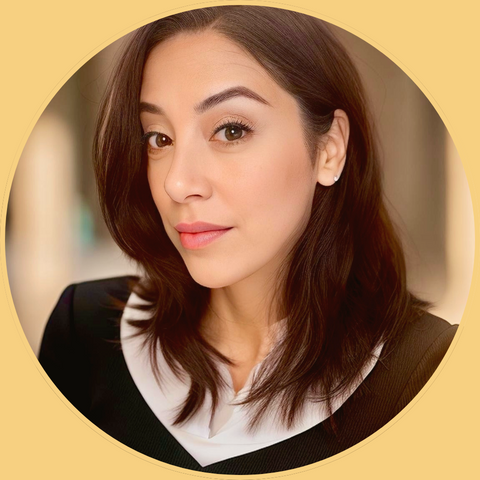
Jessica Grace is a seasoned marketing strategist and fractional CMO specializing in early-stage startups and visionary entrepreneurs. With a sharp eye for brand storytelling and data-driven growth, she transforms ideas into impactful, values-driven brands.
Follow me: